How to Plan a Meaningful Wedding Without Letting It Take Over Your Life
Guest article by linda chase
Planning a wedding while balancing work, school, or family life can feel like you’ve taken on a second full-time job.
I’ve seen it happen over and over. Couples start out excited, then slowly get buried in decisions, timelines, and expectations that don’t actually matter to them. The goal isn’t to do more. It’s to focus on what actually matters and let the rest go.
A Quick Reality Check Before You Start
You don’t need:
- a perfect timeline
- a hyper-customized Pinterest wedding
- or to say yes to every idea
You do need:
- a realistic plan
- clear priorities
- and the ability to step back when it starts to feel like too much
The couples who enjoy their wedding the most aren’t the ones who do the most — they’re the ones who stay grounded in what matters.



The Real Challenge: Competing Priorities
When you’re juggling careers, school, or raising kids, your time is already spoken for.
Wedding planning adds:
- vendor research
- budgeting
- scheduling
- dozens of small decisions
Without some structure, it quietly takes over your evenings, weekends, and conversations.
The solution is simple: Treat your wedding like a project with limits — not your entire life.
Build a Timeline That Actually Works for You
Most wedding timelines assume you have unlimited time.
You don’t.
Here’s how to make yours realistic:
- Look at your actual schedule
- Work deadlines, exams, busy seasons — plan around them
- Add buffer time everywhere
- Things will take longer than you expect
- Make big decisions early
- Venue, date, and guest list unlock everything else
- Batch your planning
- Do vendor calls or emails in one block instead of spreading them out
- Schedule “no wedding” time
- Protect days where you don’t talk about it at all
This keeps wedding planning from creeping into every part of your life.
Where Your Energy Actually Matters
Not all decisions are equal.
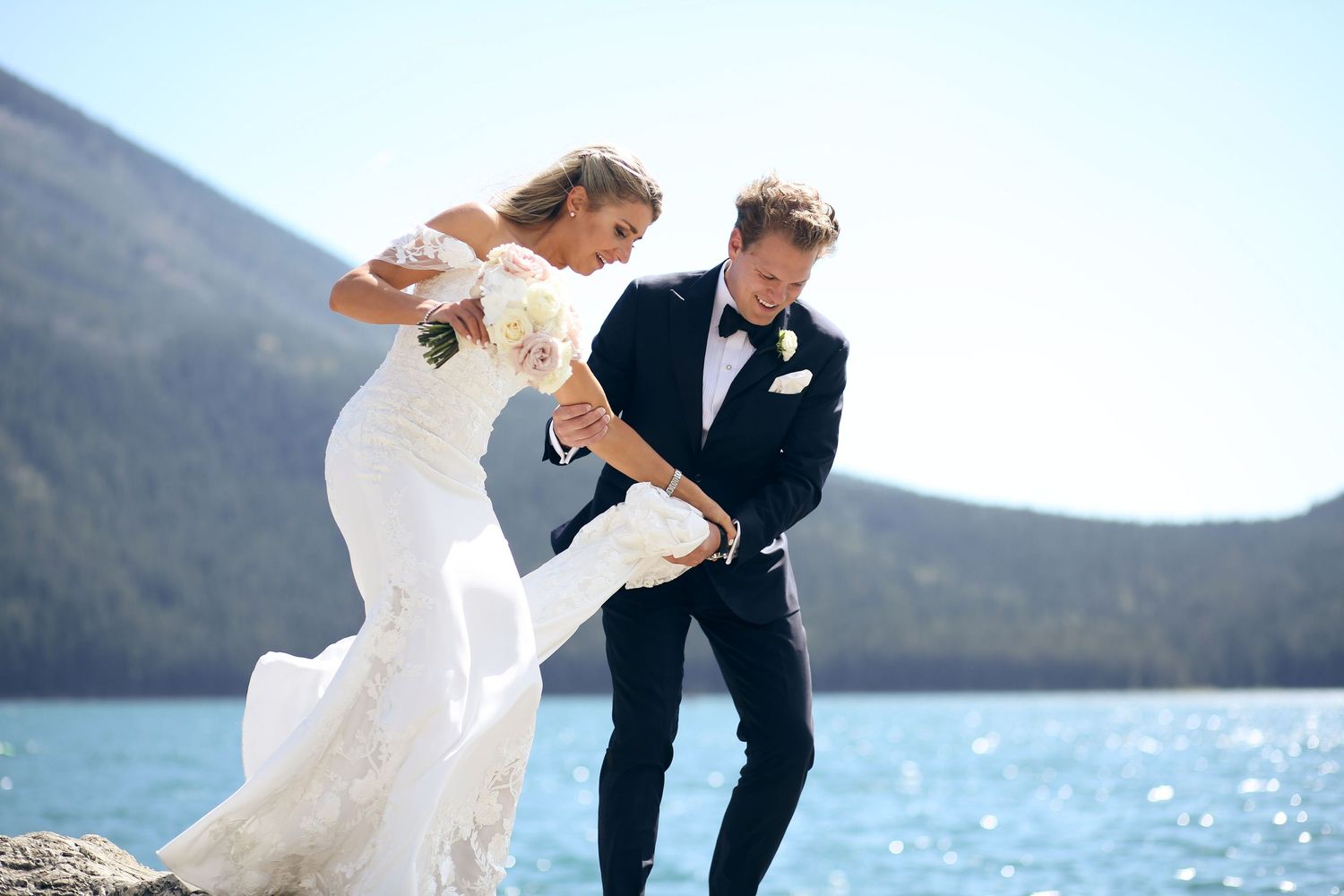
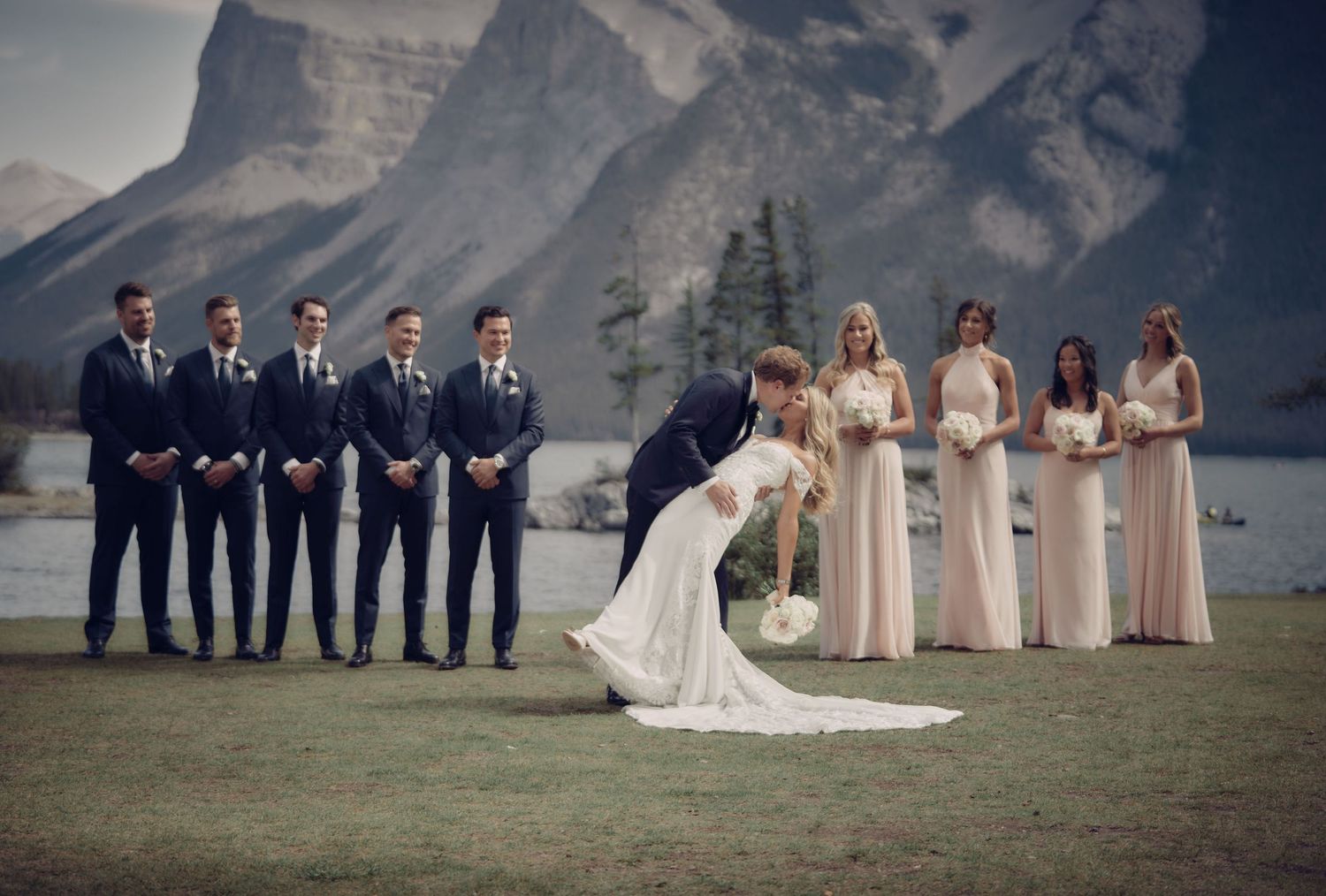
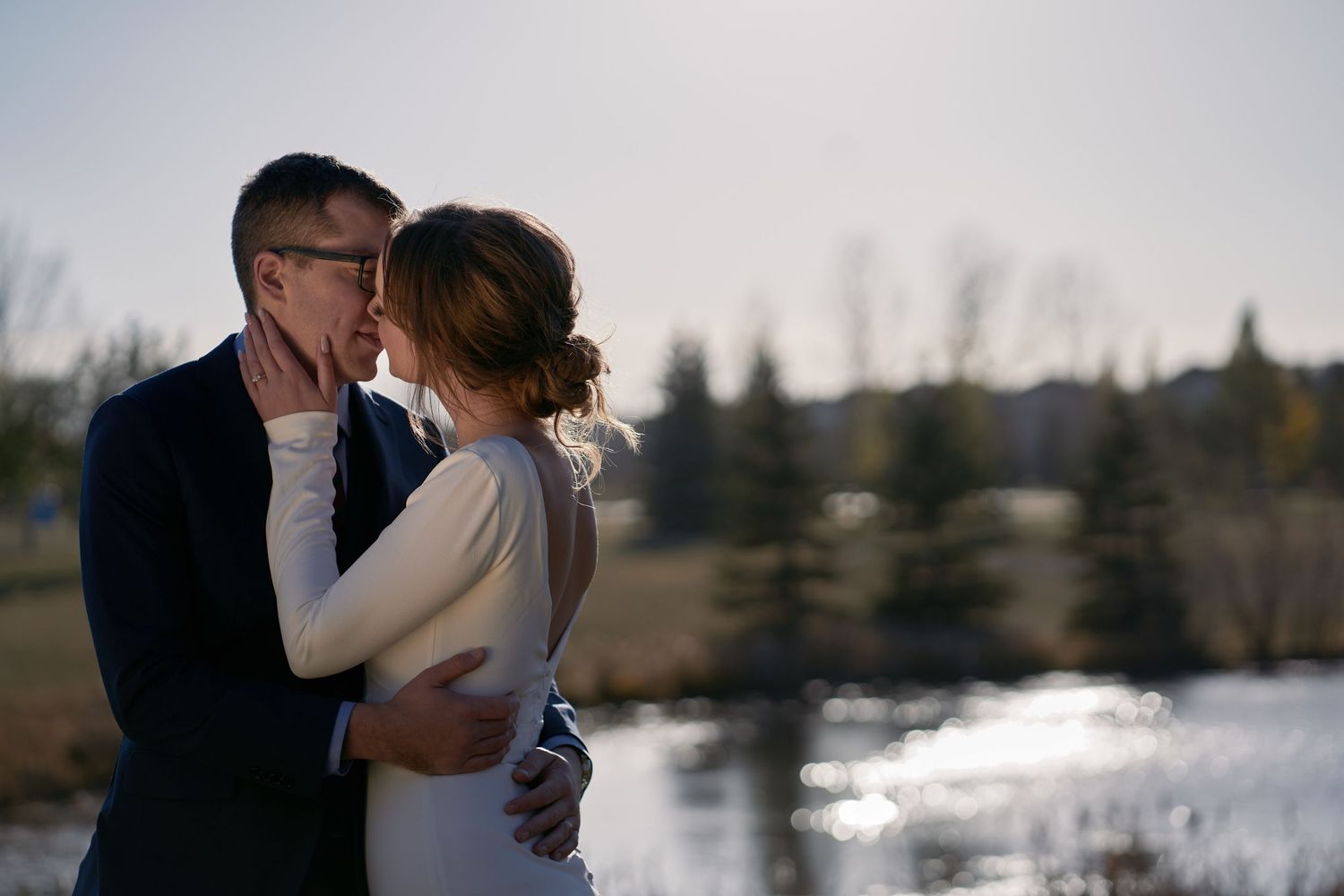
I’ve photographed weddings where couples spent months stressing over details no one noticed… and barely gave themselves time to be present during the ceremony.
What people actually remember is:
- how the day felt
- the ceremony itself
- time with the people they care about
Focus your energy here:
- The ceremony
- Guest experience
- Food and comfort
- Photography (this is what lasts)
Simplify or cut back on:
Overcomplicated décor
DIY projects that eat up your time
Trends you won’t care about in a year
A simple question helps:
Will this matter to us in five years?
If not, it probably doesn’t deserve your time now.
Delegation Isn’t Optional — It’s Smart
If you’re working, studying, or raising kids, you simply can’t do everything yourselves.
And you shouldn’t.
Delegating isn’t cutting corners — it’s protecting your time and energy.
Give people clear roles:
- one person handles vendor communication
- someone manages logistics
- someone you trust helps coordinate on the day
Trying to control everything is one of the fastest ways to burn out.
Stay Organized Without Overcomplicating It
You don’t need five different apps or a complicated system.
You need something simple that you both stick to.
Keep it clean:
- One shared planning folder
- One master budget spreadsheet
- One short weekly check-in (30 minutes is plenty)
- Clear division of responsibilities
- Written confirmation for major decisions
Consistency beats intensity every time.

A Few Common Questions
How long should we plan if we’re busy?
Most busy couples benefit from 12–18 months. It spreads out decisions and keeps things manageable.
What if our budget is limited?
That actually helps. Clear constraints make decisions easier and reduce overwhelm.
Is it okay to scale things down?
Absolutely. Smaller, simpler weddings are often more meaningful and far less stressful.
How do we avoid conflict during planning?
Decide early on what matters most to both of you. When decisions come up, refer back to that instead of debating everything from scratch.
Flexibility Is Your Advantage
Things will shift.
Vendors reschedule.
Work gets busy.
Life happens.
The couples who handle this best aren’t the ones with perfect plans — they’re the ones who expect things to change.
Build flexibility into your timeline and your expectations.
When something doesn’t go perfectly, adjust and move forward.
Final Thoughts
A meaningful wedding isn’t built on perfect details.
It’s built on:
- being present
- feeling connected
- and actually enjoying the day you’ve planned
If you stay focused on that, everything else tends to fall into place.
Because at the end of the day, the wedding is one day.
The relationship is what you’re really building.
About Sharko Studios
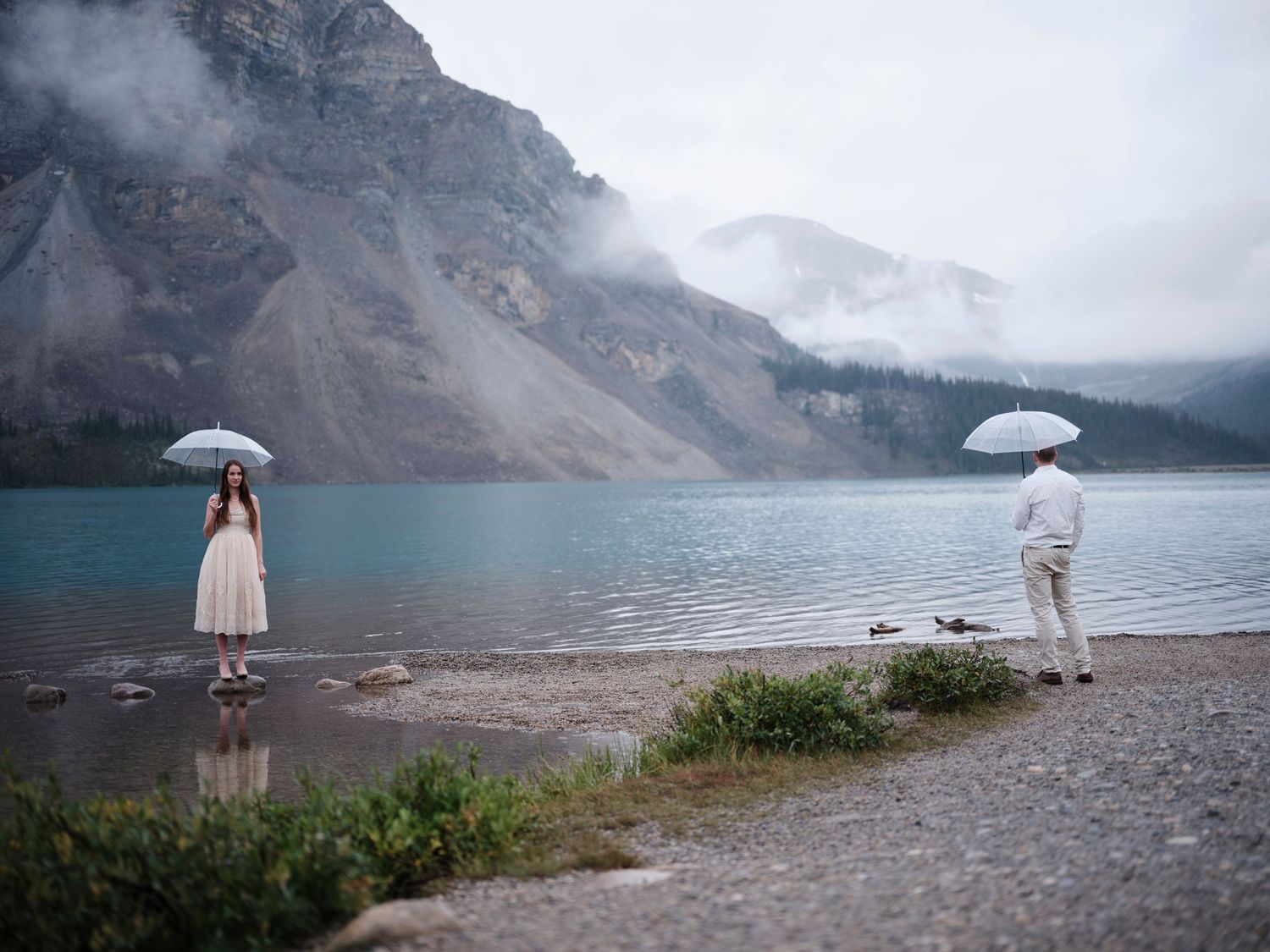
Sharko Studios specializes in wedding and elopement photography throughout Banff, Canmore, Lake Louise, and the Canadian Rockies. Whether you’re planning an intimate mountain elopement or a full wedding celebration, our goal is to create authentic images that tell the story of your day.
If you’re planning a wedding and would like to learn more about our photography services, we’d love to hear from you.